



The Aquatic Control Technology Journey: A History of Lake and Pond Management Excellence
Since the 1970’s, our main focus has been to provide our clients with the best value in lake and pond management, through superior service and expertise, with an unconditional desire to preserve our natural resources. In 2014, Aquatic Control Technology and Lycott Environmental found synergies in the Northeast, combining to provide highly specialized services throughout our local communities. As we continue to grow and expand, joining together four of the most elite aquatic resource management companies on the East Coast, we are now stronger than ever. In an effort to better define who we are, what we stand for, and where we are going, we have adopted a new name for our company, one that reflects the principles that define us in the markets we serve. It is with great anticipation and excitement that we introduce you to SOLitude Lake Management.
As always, we are committed to delivering superior solutions for your lake, pond, wetland, and fisheries management needs. We are excited to continue our journey into next year and beyond as SOLitude!
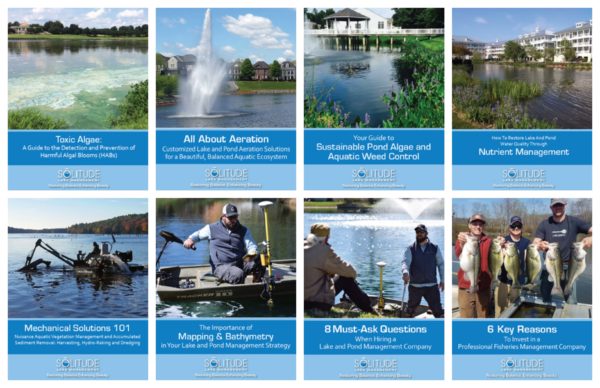
Our staff continues to provide our clients access to a knowledge base that is unsurpassed. In addition to our staff, we also offer you access to our Knowledge Bank. Please take a moment to browse our blog, our quarterly educational newsletter Aquatics In Brief, our free downloadable informative guides, and various published articles. Our highly specialized services have expanded over the years. To learn more about our company and each of our professional services below, visit solitudelakemanagement.com/services.
Superior Services Offered:
With our unmatched expertise and reputation in the industry, our team is able to leverage the best equipment, technologies, and products in the industry, allowing you to benefit from our growth. Finally, we invite you to be part of The SOLution, a company-wide program that encourages the company, staff, and our valued clients and partners to strive to “create a better world” through volunteerism, community outreach, sustainability, and environmental consciousness. Learn how we are involved and continually enhancing our local communities.
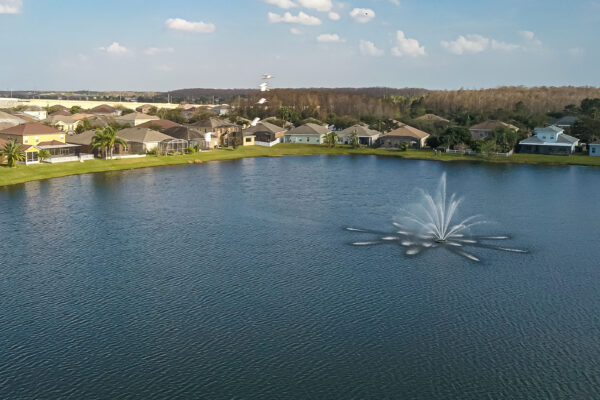
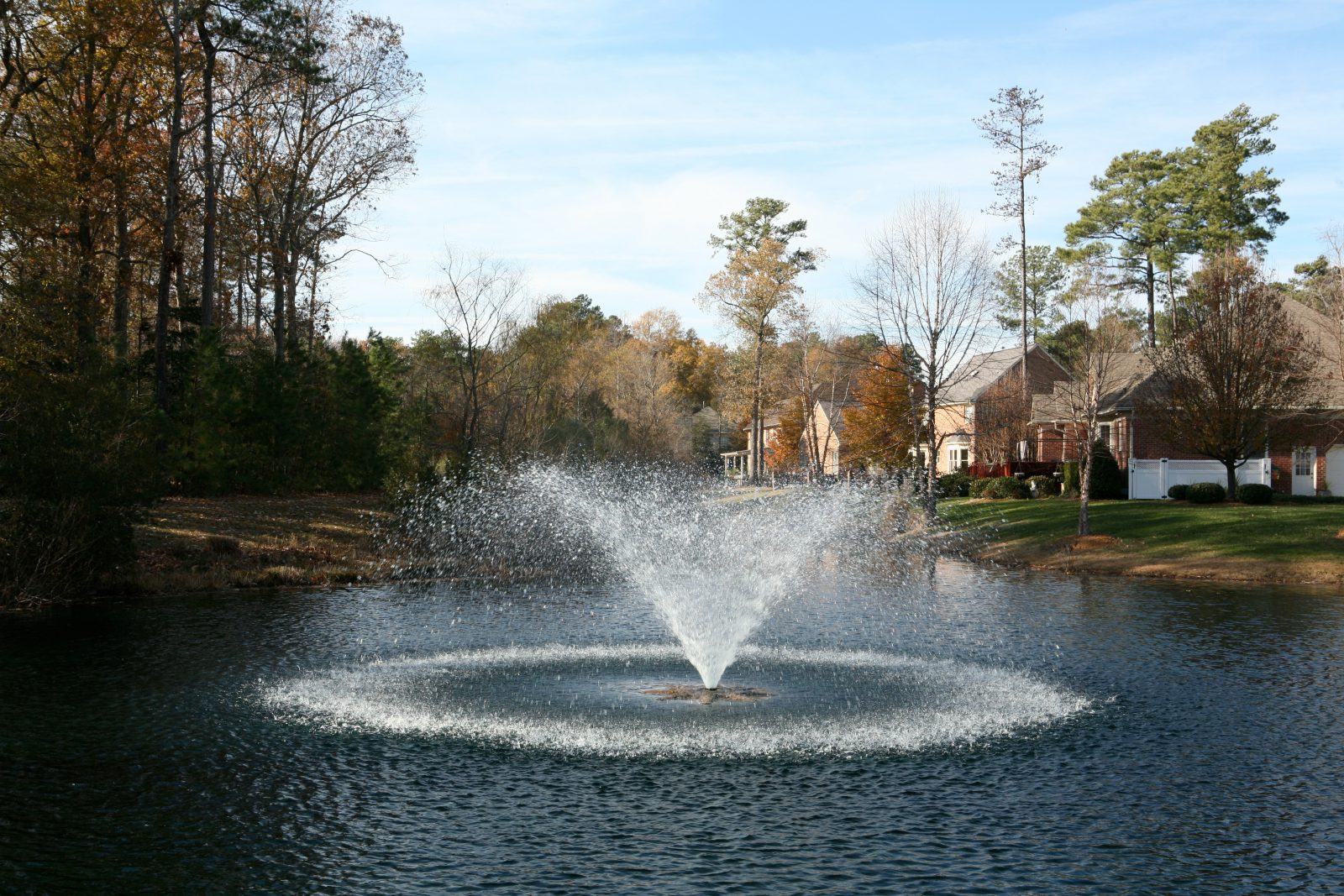
Community Floating Fountains
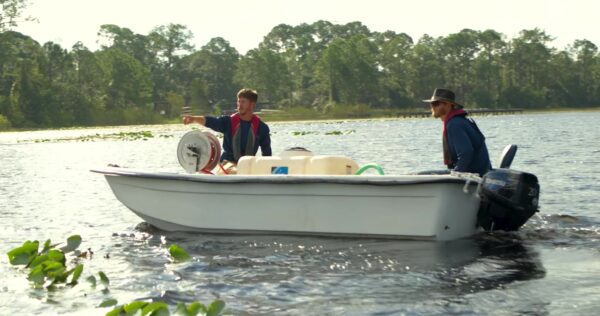
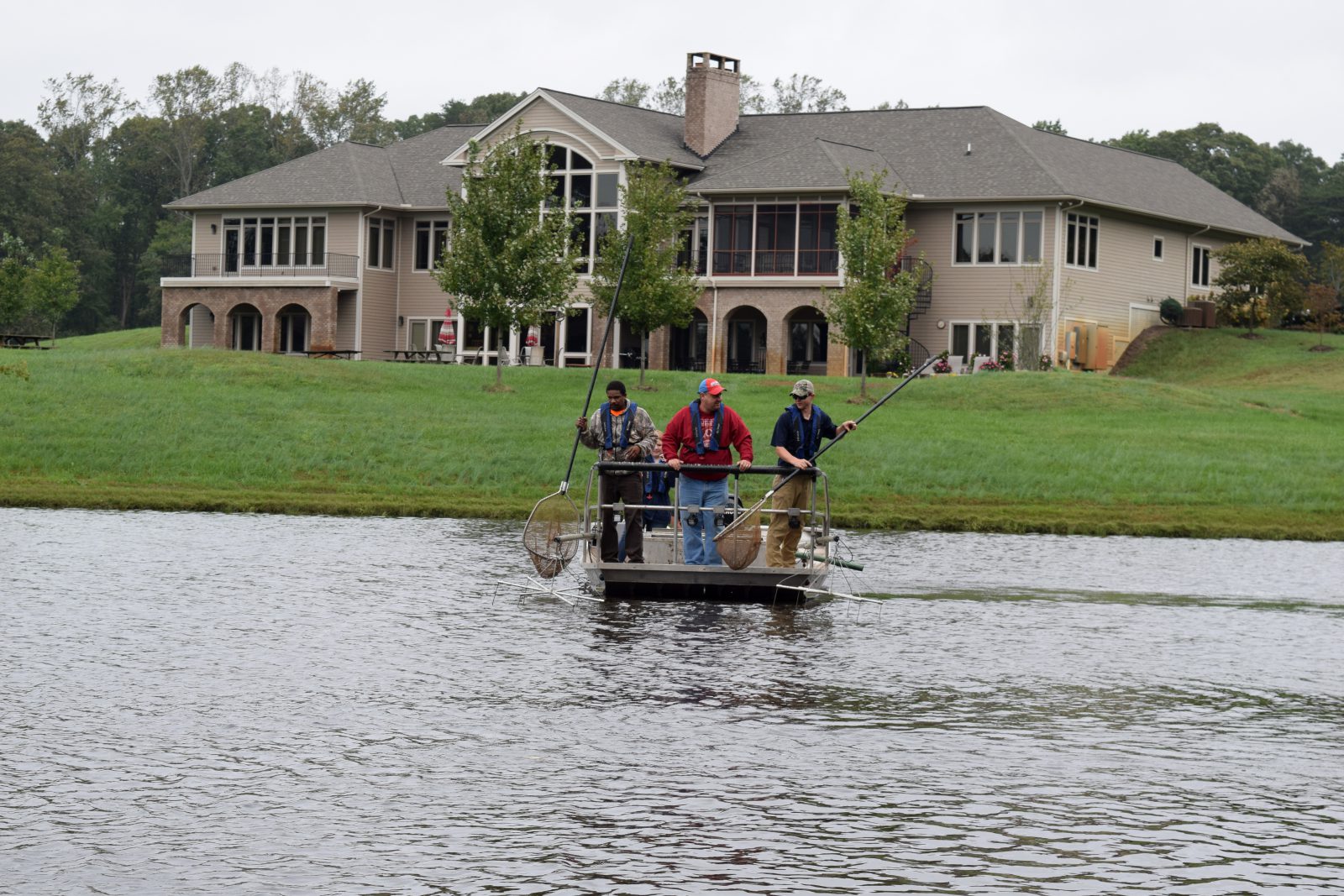
Electrofishing & Fish Population Surveying
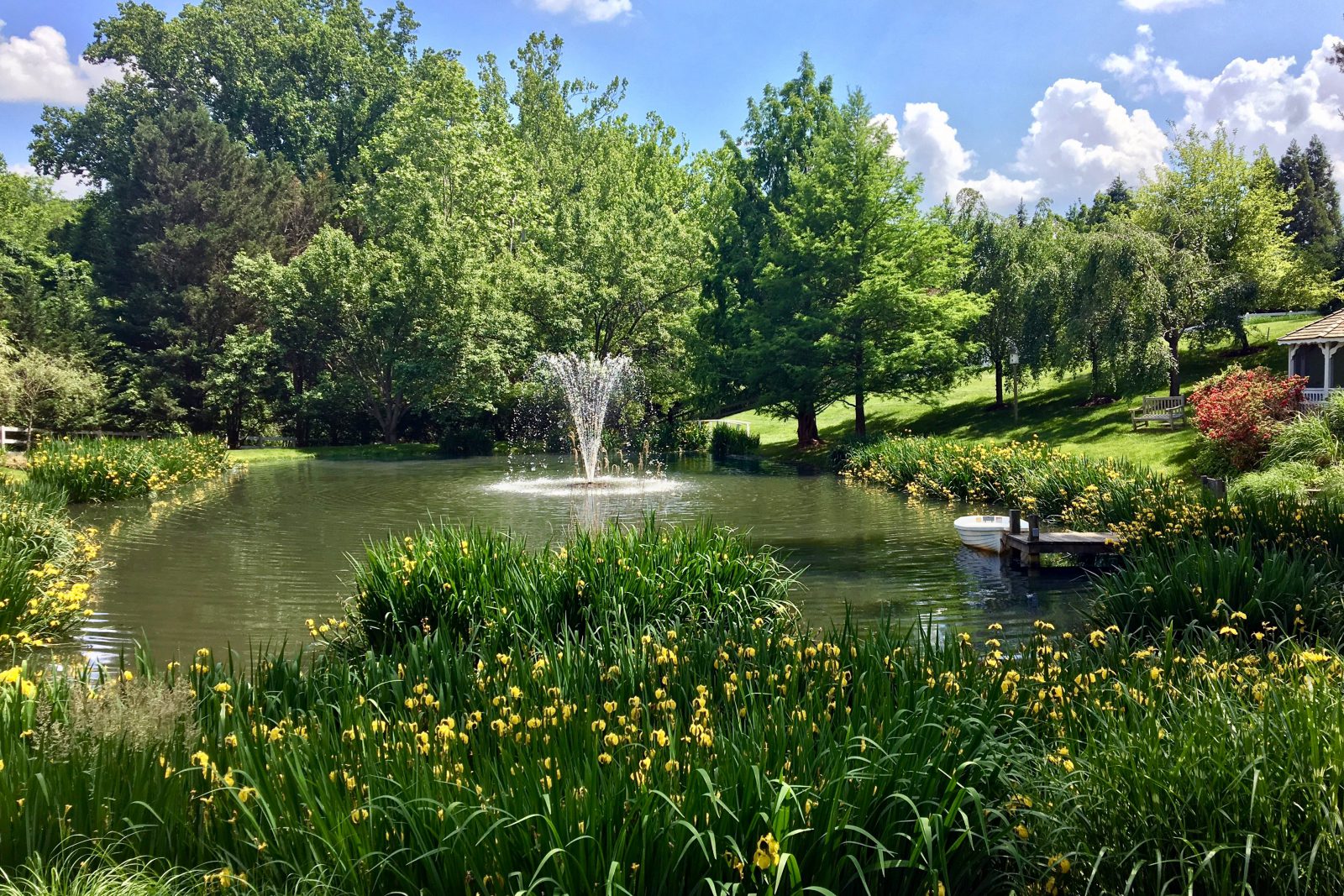
Pond Fountain Features For Your Lake
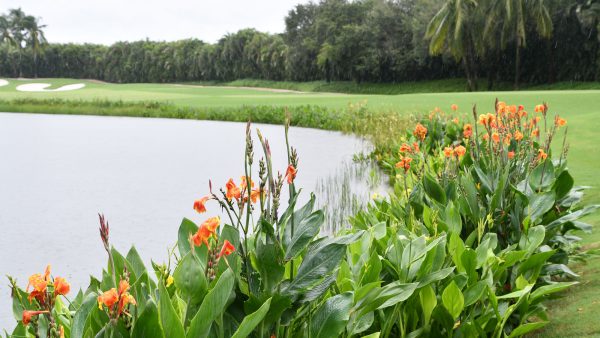
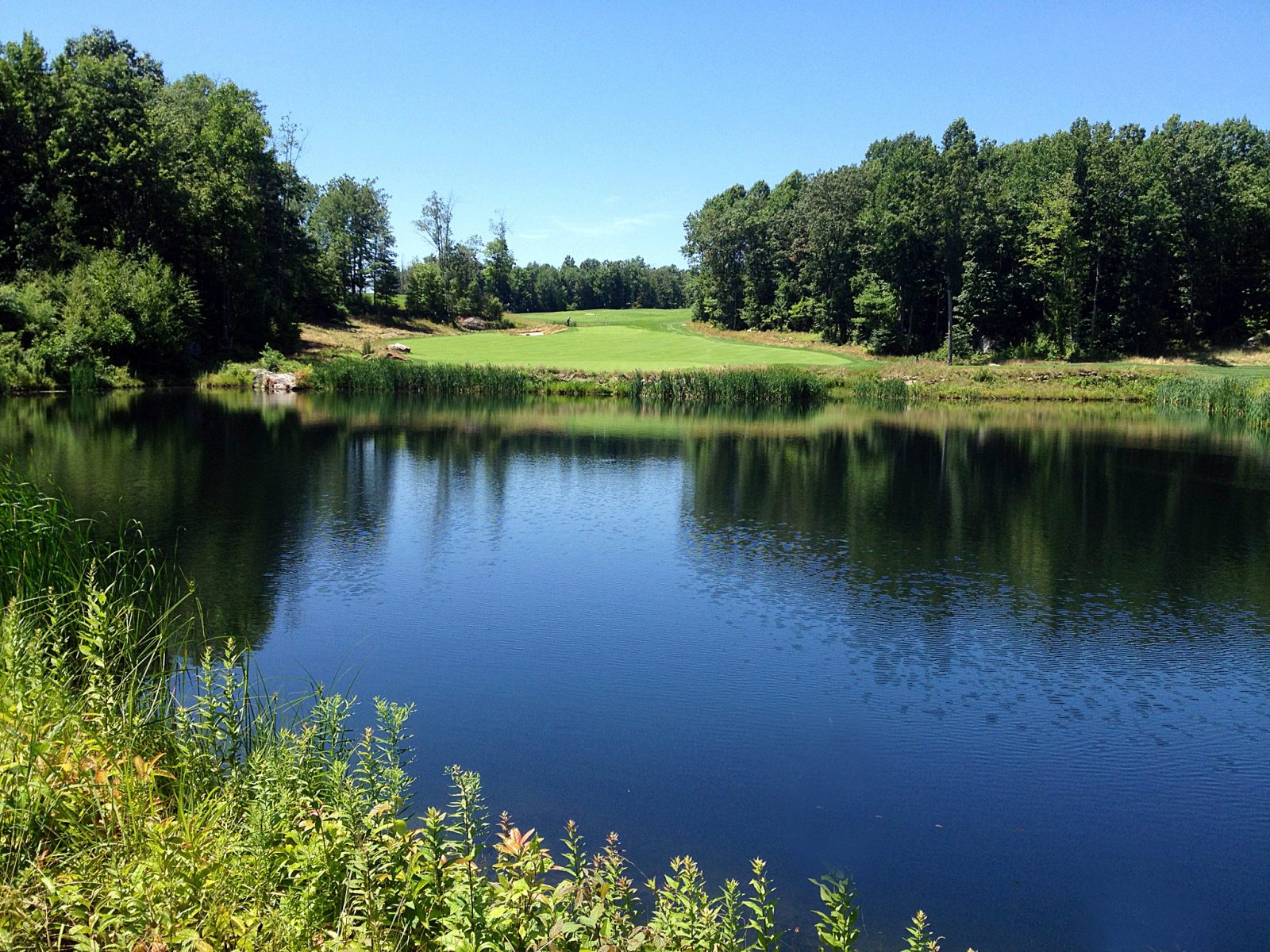
Golf Course Pond Services
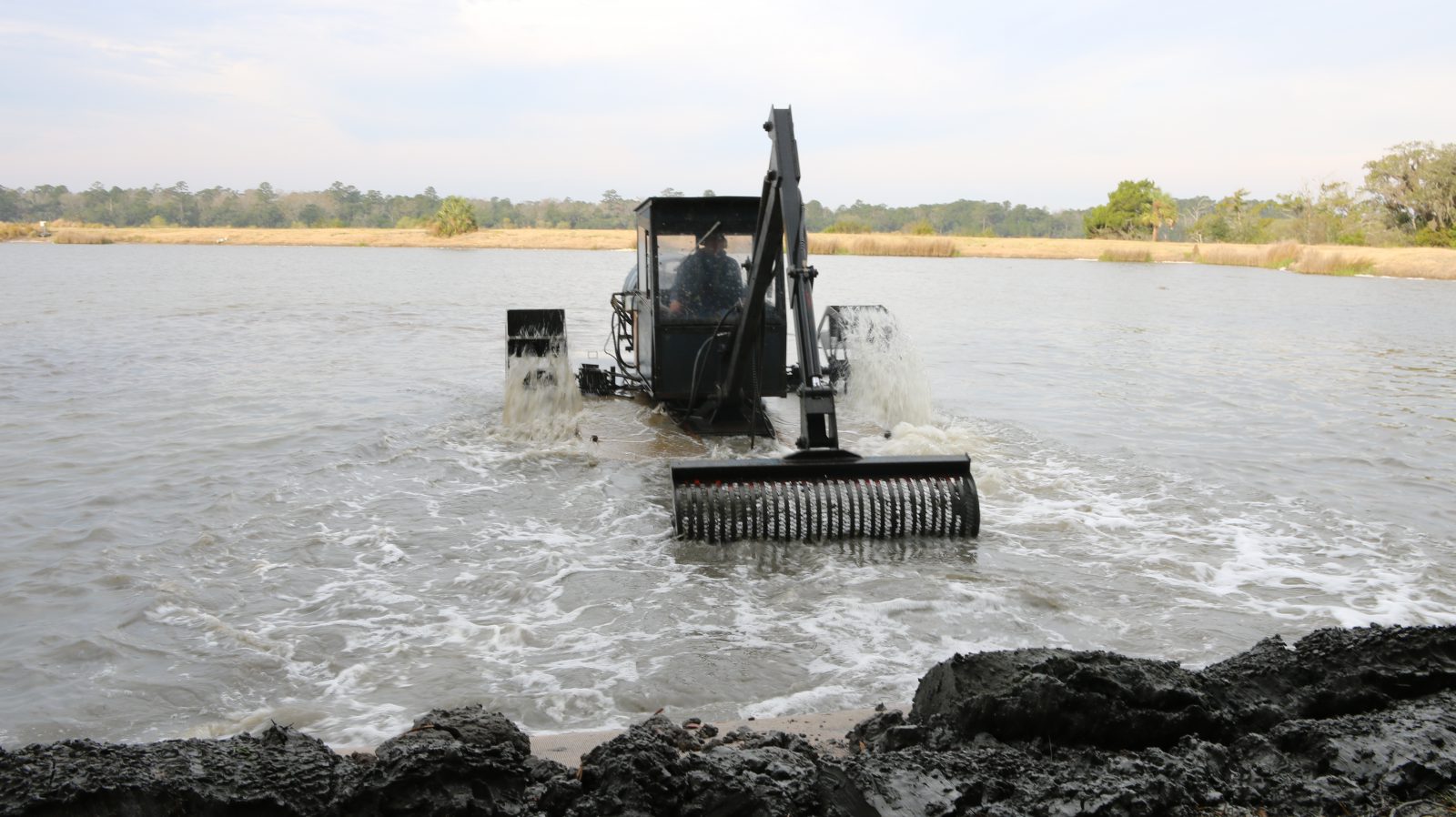
Hydro-Raking & Lake Dredging Services
SOLitude Get’s the Job Done
We are amazed at the efficiency that Matt, Josh, and Rob demonstrated in operating the harvester. They worked long hours to get the job done and did exactly what I asked them to do. It was my pleasure to work with folks like this and I could tell they had care in what they did. We are very satisfied with the work they did.
Tom Rizzo
Lake Association Board Member, Mercer, PA
Definitely Using SOLitude Again!
This year’s spraying was the most effective we have ever had. We will definitely use your company again next year!
Lesa C.
Lake Resident, Indiana
SOLitude Made A Huge Difference
Thank you for jumping on our request to have the weeds looked at and treated. It has made a huge difference in the short couple of weeks since the crew was out spraying. All of us on the SW corner of the lake greatly appreciate the approval and quick execution of the treatment!
Matt P.
Lake Resident, Michigan
Great Partnership for Nearly A Decade
I’m the property manager of a large residential community in the Tampa Bay area. The property has 27 waterbodies ranging in size from several hundred square feet to almost 69 acres. SOLitude has serviced our aquatic needs for nearly a decade which have ranged from shoreline restoration and aquatic plantings to algae treatment and aeration with excellence and integrity. As a partner in our efforts to always improve our water quality they are a great resource and are able to provide any service relating to water that may be needed.
Marc C.
Property Manager, Tampa, FL
Our Clear Lake Wouldn’t Be Possible Without SOLitude
Our Lake Association believes that good service and good results deserve a positive review. We’ve been doing business with SOLitude for about 25 years. The results of their treatments are quite obvious because of the amount of recreational use our lake gets during the summer months that wouldn’t be possible without the weed control SOLitude provides. Back in 1986, the lake became almost unusable because of the invasive weed problem. After two years of treatments, the lake became what it is today – a beautiful body of water that is usable for all summer recreation. SOLitude has been great to do business with. Their people are responsive to any issues and are always ready and willing to help in any way they can. We are happy to recommend them to any lake or pond association that may need assistance dealing with weed problems.
Frank Fiorentino
Lake Association President, Ashburnham, MA
No More Algae!
SOLitude has completely corrected our community pond. No more algae, which has kept the fountain running well. We have a monthly maintenance contract, and I always receive notice of when they are coming and if they found any issues.
Emily Schollian
Property Manager, VA
Turned Pond Into a Thing of Beauty
SOLitude has been servicing our large residential pond for some years now. They do a wonderful job in all respects! They took a water plant and algae-clogged mess and turned it into a thing of beauty! Work quality is superb, customer service is first-rate. We are extremely well pleased.
Hank Chase
Private Landowner, Purcellville, VA
Keep Lake Free of Algae & Debris
SOLitude Lake Management has been the lake management company for our community lake located in Alexandria, VA, for five years now and we have found them to be very professional and responsive to our needs of keeping the lake free of algae and other debris. They also service the lighted fountains when needed. The team members are friendly, receptive, and willing to discuss lake maintenance options when signing the contract.
Carol Devine
Lake Committee Chairperson, Alexandria, VA
Recommend Without Hesitation
I have used SOLitude’s services for about five years. They have turned my pond into a very fine little fishery for bass and bluegills. They have also made the pond much more attractive. SOLitude’s consultants check my pond on a regular basis and I have found them all to be knowledgeable, friendly, and very service oriented. For any landowner looking to improve the appearance and the fishing productivity of their pond, I would recommend SOLitude without hesitation.
Edmund Cowart
Private Landowner, New Ulm, TX
Positive Results
My subdivision in College Station, Texas, has two lakes and SOLitude Lake Management took over water and shoreline management six months ago. While we still have occurrences of water weeds, algae, and duckweed, we are getting on top of the problems much quicker. While we are only halfway into our 1st-year contract, these early, positive results are encouraging. We appreciate the service and especially the science SOLitude brings to our relationship.
John Himmel
College Station, TX
Restored Our Basin
SOLitude has been professional, timely, and cost-effective while providing services to our Borough. They’ve assisted with pond management, treatment of invasive vegetation, and restoration of an overgrown detention basin/pond. I would highly recommend their services.
Kevin O'Sullivan
Borough Engineer, North Caldwell, NJ
Our Lake Is In The Best Condition
Our lake had portions of it that you couldn’t get a kayak through. We used to call SOLitude when we saw a problem, but then it was too late. We entered into an annual contract for them to periodically inspect our lake and treat it accordingly. SOLitude’s employee, Jeff, calls regularly, visits our lake, inspects it, and if needed, treats whatever required -We have not had any major weed or algae problem. Many of our members have commented that the lake is in the best overall condition in a long time. I am very pleased with their constant care of our lake.
Neil Magargal
Private Landowner, Oak Ridge, NJ
#1 Choice for Lake Management
Great client relations and very professional & knowledgable service teams. #1 choice for lake/pond clean-up, treatment, and removal of invasive species (among other services).
Rachel Peoples
Private Landowner, IL
Addressed Overgrowth In Canal
We had major overgrowth in our canal leading to lake tarpon. SOLitude came out promptly, assessed the situation, and addressed the problem. We are very happy with their service and have also retained them to maintain our canal on a monthly basis.
Matt Saraswat
Palm Harbor, FL
Pond Is Completely Clear
When SOLitude came to our rescue, our pond was covered in water lettuce. As each month went by, the pond became clearer and clearer until now it is completely clear and I am completely grateful that the beautiful, clear pond that was there when we moved in 36 years ago, is once more. Thanks to Mike and everyone at SOLitude who made this possible!
Debra Krogh
Private Landowner, Pinellas Park, FL
Homeowners Are Happy with Results
SOLitude has been maintaining our community lakes for the past two years and they are now in excellent shape. Before we switched to SOLitude, we had severe problems with algae growth during the summer. They were able to analyze the problem and over a period of about a year get the lakes cleared up. Our homeowners are very happy with the results.
Alan Marlor
Community Committee Member, Osprey, FL
A+ Service
A reliable company that you can trust. A+ service. Keeps our lakes stocked up with fish and algae-free throughout the year.
Julio Trejo
Miami-Dade County, FL
Thorough Assessment Of My Pond
Received prompt and thorough assessment of a pond on my rural property. Received the advice I needed to prevent algae and for improving conditions for fish. They have good educational material on their website that is free.
Susan Poole
Private Landowner, Callahan, FL
Responsive & Resolved Our Issues
SOLitude has managed our community’s 24 lakes for many years and we are very satisfied with their performance. One of our lakes has been experiencing regular algae blooms and SOLitude’s biologist, Christina, performed a comprehensive lake and water analysis to determine the cause of the problem. Recommendations were presented and the problem was resolved. The SOLitude technician, Maxwell, is in control of managing our littoral plants and is very responsive to resolving identified issues.
Peter Dersley
Estero, FL
You Can Count On SOLitude
Christine and SOLitude are the best lake company I have had the privilege of working with as a Property Manager. I do not have to worry about service, fountains, aerators, littorals, or most importantly weed infestation on lake banks. I have been in the business for over 10 years and if the property is one Christine is in charge of with SOLitude, you can count on them running things very professionally. Absolute 5-star treatment.
Marty Sullivan
Property Manager, Naples, FL
Managed Invasive Plant In 45-Acre Lake
Thomas has been my service tech over the last year helping to manage our 45-acre lake’s problem of dealing with horribly invasive water hyacinths. Thomas is professional, courteous, and knows his profession well. I look forward to continuing to work with him and SOLitude next year and moving forward.
Jeff Mioduszewski
Community Representative, Clearwater, FL
Helped Restore Community Pond
These guys are great. Every time I stop them to ask what they are doing they are very polite and knowledgeable. Before we had them in our community our ponds were loaded with scum. Keep up the good work!
William Smith
Community Member, DE
From Swap to Beautiful, Clear Pond
For about 30 years I watched the encroachment of weeds across my pond, limiting not only our recreational use but our aesthetic appreciation as well. SOLitude Lake Management came in with their hydro-raking harvester and clear it all out! It was the first time I could swim across the entire pond! No swamp, just beautiful water that passers-by slow down to look at.
Dean Jacques
Private Landowner, Chester, CT
SOLitude Provided Wise Counsel
SOLitude provided wise counsel on how to keep our lake healthy and provided frequent onsite follow-up visits to check the success of new products. I am particularly impressed with the herbicide team!
Linda Teixeira
Avon, CT
Successfully Eradicated Hydrilla
I’ve been battling Hydrilla milfoil for a number of years, without great success. I stumbled across SOLitude Lake Management online and I’m so glad I did! Noel and his team of professionals listened to our problem, gave advice, and developed a management plan for our lake. They applied a very thorough milfoil-specific treatment and now, all of the visible weed is eradicated! I wish I would’ve found this company years ago! I would highly recommend anyone who is looking for a team to help with any lake weed issues.
Shawn Ridgley
Private Landowner, Grand Junction, CO
Recommendations Are Thoughtful & Achievable
Erin and the rest of the SOLitude crew do a fantastic job monitoring water quality and algae growth. Erin used environmentally friendly products to control both the algae and maintain water quality with great success. Site visits are as promised and reports are clear and concise and recommendations are always thoughtful and achievable. We appreciate the effort by Erin and the other SOLitude staff that support our effort.
Terrence Larson
Colorado
I Suggest You Call SOLitude
SOLitude was very professional and understood the budget constraints that we have at our community center and lake. They proposed properly sized solutions to help us solve the algae problems in our lake. The staff was great to work with – I suggest you call them.
Chris Jorgensen
Colorado Springs, CO
Our Fishery Is In It’s Best Condition Ever
Thank you to SOLitude for all your help at our Fishing Club. Our hydrilla problem is practically non-existent now. The fish survey you completed for us, the recommendations on slot sizes, and the stocking and feeding program you developed are producing outstanding results. Our club’s fishery is in the best condition it has ever been! Your presentation to our stockholders at our annual meeting was extremely well received. We are getting ready to enhance our fish attractors as suggested. We appreciate that a management program was developed that fits within our budget and that you are available to talk with us when we have questions. We look forward to continuing our association with SOLitude.
John McCracken
Fishing Club President, West Point, VA
February 23, 2015
A Huge Improvement with SOLitude
I wanted to let you know how pleased we are with the results of the algae treatment. We noticed a huge improvement very quickly, and at this point, the pond looks really, really great. Also, the fish are thriving – some of the bass are over a foot, and the Bluegills have also gotten big. We are just thrilled. Thank you so much for your responsiveness.
Gwen Goodkin
Private Landowner, Charlottesville, VA
June 16, 2015
From an Eyesore to Thriving Ecosystem
In one season, SOLitude Lake Management turned the two lakes on my Virginia property from dead, weed-infested, eyesores into thriving, fish-filled, ecosystems – and they have maintained them as such ever since!
Angus Yates
Private Landowner, Middleburg, VA
September 17, 2015
Pleased with the Quality of Service
We’ve been working with SOLitude Lake Management since 2009 when an aggressive aquatic weed was becoming a problem and taking over our pond. The staff of SOLitude Lake Management identified the weed and treated the pond promptly with much success. Since that time, our ponds have been monitored monthly by their competent staff and precautions have been taken so that the pond weeds do not get out of control. We are pleased with the quality of service and their effort to work with us towards an organic approach to keeping our ponds healthy.Marcie Weigelt
Hockessin, DE
Thank You from Camp Holiday Trails
Thank you for coordinating the restoration effort for our pond and donating labor for the aerator installation and watermeal treatment. This will ensure that hundreds of kids with special medical needs, and those who have the honor, joy, and inspiration of working with them, will benefit from the Camp Holiday Trails experience this year!Tina LaRoche
Charlottesville, VA
Top Notch Service
When one of our stormwater BMPs was overtaken by phragmites, we called SOLitude for treatment. From the bidding process to the follow-up, the service we received was top-notch. A year later, the Phragmites have still not returned. Considering how invasive this species is, this is quite an accomplishment!
Leah Aguilar
Operations Superintendent, York County, VA
Got Ponds Back Into Shape
We have 5 water features on the property and before SOLitude Lake Management came, our ponds were full of algae and aquatic weeds, looking very unhealthy. In the past 7 years, SOLitude has cleaned out our ponds and got them back into shape making them look like amazing water features as they should be.
Aaron Tenley
Supervisor, Leisure World of Maryland, Silver Spring, MD
Taken A Huge Burden Off My Shoulders
We used to struggle with many different issues on holes 15, 16, and 17 at our Country Club. It was not uncommon for us to see algae blooms appear out of nowhere along one of the most important focal points of the course. Since SOLitude Lake Management has been taking care of the pond for us, we have had very few issues with the aesthetic qualities of our pond. SOLitude has taken a huge burden off of my shoulders and now I don’t even have to worry about the appearance of our pond
Keith Wood
Golf Superintendent, Greensboro, NC
Nothing But Compliments for SOLitude
SOLitude has been managing our lake for the past two years. Through their efforts, the lake’s water quality has improved tremendously. Even with one of the hottest and dryest seasons, I received nothing but compliments on the water clarity, as well as positive feedback from fishermen about the abundance of healthy fish.
Darren Brooks
City District Manager, Parker, CO
Highly Trained Professionals
SOLitude has the manpower to handle all jobs, large or small, and the expertise to answer any questions. They care about their clients, which is easy to see when observing the quality of work provided by them during every visit. SOLitude is the team of highly trained professionals you want to maintain the waterbodies on your property.
Matthew Clem
Golf Superintendent, Fort Myers, FL
Pond Care That Allows Me to Relax
I needed on-site pond care that the local pond management companies could not service. I gave the SOLitude specialist who comes 100+ miles 20 times per year the title, “Director of Ponds & Streams”. He is that good. They are organized and responsive to the degree that allows me to relax.
Tom Snyder
Private Landowner, Sapphire, NC
Service Has Been Excellent
I have been using SOLitude for several years to manage our retention basin in our neighborhood through our HOA. Service has been excellent.
Scott Shelley
Property Manager, Marlton, NJ
Keeps My Pond Looking Great Year-Round
SOLitude is always available to answer questions and help landowners tackle the difficulties of managing a lake or pond. They helped me with aeration and lend me their knowledge to keep my pond looking great all year!
Philip Bye
Private Landowner, Cambridge, MD
Customer-Oriented Service
SOLitude Lake Management services the lakes in my community. We have enjoyed many years of very professional customer-oriented service. The gentlemen that do the fieldwork are very knowledgeable and courteous. I would recommend them for all your lake management needs.
Keith Dean
Alva, FL
Responsive with Our Concerns
Our association has employed the services of SOLitude Lake Management for a number of years. Being the person to actually manage and pay for services, I have regular contact with the technician. He has been very responsive to our specific concerns and needs as has the office when I needed to ask questions.
Robert Shinedling
Board Member, Lantana, FL
Gerald Keeps Our Lakes Looking Beautiful
I’ve worked with SOLitude for eight months now and couldn’t be happier. Gerald is our specific lake tech in our community and does a fantastic job keeping our lakes looking beautiful and helping out with questions and concerns. Highly recommend this company to anyone who wants to see their lakes looking fantastic!
Community Member
West Palm Beach, FL
Superior Service for Over 7 Years
Jason and Jacob are the two aquatic specialists that I have been dealing with for seven years. In my HOA, we have 10 retention ponds, two inflow, and one outflow canal. Very complex ecosystem overall! SOLitude and their staff have provided superior service to all of us over the years! When we have concerns, they have always stepped up to the pump! 5-star rating!
Bobby Ambrose
Board President, Brandon, FL
Pleasure to Work with Mitchell
For the past 2 years as a member of our neighborhood board, I worked personally with Mitchell of SOLitude Lake Management. Our neighborhood has over 40 lakes & ponds. I can honestly say it was a pleasure to work with this vendor. Mitchell provided weekly updates and as our aquatics expert, he helped educate us and assisted in developing a restorative approach to our lake & pond management. It was a pleasure to work with such a knowledgeable representative. Thanks!
Colette Price
Board Member, Bradenton, FL
Professional & Prompt with Service
We have been using SOLitude Lake Management for some time now and they are always professional and prompt with service. Raquel has personally assisted us in the office, she is awesome!
Property Manager
Pompano, FL
Took Care of All Our Problems
Our lake was a mess 2 years ago. SOLitude Lake Management came in once a month and took care of all the problems we had. Anytime we have issues, which there were very few, they send someone to address it within the week. Great company and super people to work with.
Private Landowner
Miami-Dade County, FL
Natural Resource Experts
We have used SOLitude for several years, and are very happy with the relationship. They are responsive to our needs, cost-effective, and professional in their service. We use SOLitude for all our natural resource needs (lakes, littoral, and preserve). SOLitude approaches our property in a proactive manner and cost-conscious manner. Their technical people also have the ability to effectively communicate with us non-technical types.
Joseph Meli
Board President, Naples, FL
Aquatic Specialists Are A Phone Call Away
SOLitude services all the water, weed, and algae requirements for our Condominium Lake which 7 buildings back up to. Our Aquatic Specialist Ean does a fabulous job taking care of all our needs and has many owners complimenting on how great our water looks. Ean is just a phone call away and shows up immediately. He is always friendly and very knowledgeable and takes care of the issues. I would highly recommend this company to anyone for your lake water needs.
Doug Berlet
Board President, Naples, FL
Great Partnership
SOLitude manages our 28 lakes at our Country Club and we have formed a great partnership with them and in particular Christina and Garrett. They are responsive to our needs and take the time to explain their process and ongoing management plans to staff, board members, and owners as well as answer their questions.
Joe Burden
Country Club General Manager, Fort Myers, FL
Improve Your Lake’s Water Quality with SOLitude
I have worked with SOLitude for many years at our HOA with our lakes committee. Our biologist, Christina, has been such an asset to our community from the installation of lake aeration to nutrient mitigation and her positive attitude and professionalism. The entire company is one that I would certainly recommend to any community seeking to improve their lake’s water quality.
Scott DeFilippis
Fort Myers, FL
Invasive Weeds Are Under Control
We have been using SOLitude’s services for the past three years for managing the neighborhood lake. Their service is excellent. All type of weeds including water hyacinth is now under control without harming the marine ecosystem. The technician who services the lake always makes sure all individual complaints of the resident are taken care of. Will definitely recommend their service, especially for big ponds and lakes.
Paromita Ganguly
Palm Harbor, FL
Experts In Stormwater Pond Management
SOLitude has been our stormwater management company for 6+ years. John is our Business Development Consultant and Greg is our primary point of contact. Greg is an exceptional person and is diligent in maintaining healthy, functioning stormwater management for our HOA. I would recommend SOLitude for their expertise in maintenance for Stormwater Management in your community.
Karen Fleck
HOA President, Lewes, DE
Healthy Water Quality & Fish
SOLitude has been managing our lake for the past two years. Through their efforts, the lake’s water quality has improved tremendously. Even with one of the hottest and dryest seasons I received nothing but compliments on the water clarity as well as positive feedback from fishermen about the abundance of healthy fish.
Darren Brooks
District Manager, Parker, CO
Leslie Is One of the Best!
Leslie listened to my needs and concerns, she didn’t offer a fix until she surveyed the lake. It was refreshing to work with someone who cared enough to listen and plan out the best needs of service. If you’re looking for lake maintenance, she is one of the best! I highly recommend!
Trisha Miller
Property Manager, Glendale, AZ
Extremely Helpful & Friendly Staff
Extremely helpful and friendly staff that is always a pleasure to deal with. I have used this company for over 4 years now and they have provided great service and were able to deal with and correct problems that five other lake management companies were not able to even begin to address. I highly recommend this company for any of your lake service needs.
Private Landowner
Responsive to Our Needs
SOLitude manages our 28 lakes at our Country Club and we have formed a great partnership with them and in particular Christina and Garrett. They are responsive to our needs and take the time to explain their process and ongoing management plans to staff, board members, and owners as well as answer their questions.
Joe Burden
General Manager, Florida
A Pleasure to Work with SOLitude
For the past 2 years as a member of our neighborhood board, I worked personally with Mitchell of SOLitude Lake Management. Our neighborhood has over 40 lakes & ponds. I can honestly say it was a pleasure to work with this vendor. Mitchell provided weekly updates and as our aquatics expert, he helped educate us and assisted in developing a restorative approach to our lake & pond management. It was a pleasure to work with such a knowledgeable representative. Thanks!
Colette Price
Board Member, Florida
We Are In Good Hands with SOLitude
We were presented with the challenge of dealing with our stormwater basin, which is regulated by EPA standards that we were not familiar with. SOLitude came in and guided us through the entire process. Our basin went from an eyesore to a spectacular main selling point for our community. We are in good hands with SOLitude and cannot thank them enough!
Dawn Crawford
HOA President, PA
Grateful for Your Team
I am grateful for your promptness, standard of quality, and for bringing my pond back to the beauty that it is supposed to be.
Michelle S.
Property Manager, Jacksonville, FL
Satisfied & Grateful for Great Service
SOLitude is an excellent company that has been servicing my lake for several years. Dominic has been overseeing our program for over 20 years. His experience, knowledge, professionalism, and integrity are outstanding. Under his leadership, our lake has improved dramatically and it continues to get better every year. Additionally, Amanda has played a key role since she joined SOLitude. She always promptly replies to my inquiries and provides outstanding customer service. We are completely satisfied and grateful for the great service we receive and the results are clearly evident in our beautiful lake.
Steve Slocum
Lake Association President, Ashburnham, MA
My Pond Is Finally Nice to Look At
This company is amazing! I called and explained the issues I was having with my pond, and Josh came out and assessed my pond. After doing so, he was able to put together a regiment that helped bring my pond back to where it is nice to look at! I would recommend this company to all of my friends and family!
William Youngblood
Private Landowner, TX
Created An Oasis All Can Enjoy
Our community has a one-acre pond that SOLitude has managed for our 200 homes development. They have done a fine job in maintaining the health of the pond so that people can fish and enjoy the surrounding area, wildlife, and gardens. It is a true oasis in a declining area of green spaces for all to enjoy.
Andrea Kowaleski
Property Manager, Marriottsville, MD
SOLitude Came to Our Rescue
When SOLitude came to our rescue, our pond was covered in water lettuce. As each month went by, the pond became clearer and clearer until now it is completely clear and I am completely grateful that the beautiful, clear pond that was there when we moved in 36 years ago, is once more. Thanks to Mike and everyone at SOLitude who made this possible!
Debra Krogh
Private Landowner, Pinellas Park, FL
Pleasure to Work With
For the past 2 years as a member of our neighborhood board, I worked personally with Mitchell of SOLitude Lake Management. Our neighborhood has over 40 lakes & ponds. I can honestly say it was a pleasure to work with this vendor. Mitchell provided weekly updates and as our aquatics expert, he helped educate us and assisted in developing a restorative approach to our lake & pond management. It was a pleasure to work with such a knowledgeable representative. Thanks!
Colette Price
Board Member, Bradenton, FL
Highly Recommend SOLitude
SOLitude services all the water, weed, and algae requirements for our Condominium Lake which 7 buildings back up to. Our Aquatic Specialist Ean does a fabulous job taking care of all our needs and has many owners complimenting on how great our water looks. Ean is just a phone call away and shows up immediately. He is always friendly and very knowledgeable and takes care of the issues. I would highly recommend this company to anyone for your lake water needs.
Doug Berlet
Board President, Naples, FL
From Swamp to Beautiful Water
For about 30 years I watched the encroachment of weeds across my pond, limiting not only our recreational use but our aesthetic appreciation as well. SOLitude Lake Management came in with their hydro-raking harvester and clear it all out! It was the first time I could swim across the entire pond! No swamp, just beautiful water that passers-by slow down to look at.
Dean Jacques
Private Landowner, Chester, CT
Go-To for All My Lake Needs
The SOLitude team is my go-to for all my lake needs. Very professional and responsive. I know I will always be taken care of even when it is something extremely difficult. Their years of experience make them the best lake company in the valley. Highly recommended. Thanks team!
Jennifer Thomasson
Community Manager, Peoria, AZ
Glenn Is Always Helpful
Had a difficult project to limit an exotic algae. Glenn was just super to get answers, develop our approach, and was always helpful.
Wolf Busch
New York
Knowledgeable Staff – Highly Recommend!
SOLitude Lake Management is your full-service provider of lake and pond management solutions. Highly recommend! Very knowledgeable staff!
Marguerite Cormier
Massachusetts
Whole Team Provides Consistent Service
SOLitude Lake Management is an awesome company. Their team is very responsive and provides clear invoices in a timely manner. Flo was very helpful in providing the necessary documents that I requested to keep on file. She has a friendly attitude and the whole team provides consistent service to the job site. I highly recommend considering them for your lake management needs.
Jessica Andujo
California
They Are Simply the Best!
I hired SOLitude to help me out with a new pond in West Virginia. Heather was super helpful and knowledgeable in walking me through the process. She introduced me to Robert and they are simply the BEST. I have a lot of questions and they are super patient, helpful, and responsive. Most of all they both are knowledgeable (and pedigreed) in the world of aquatic life and health. It was a great decision to contract with SOLitude.
Jeremy Billy
Private Landowner, Great Cacapon, WV
Excellent Service to Our Pond
They provide excellent service to our pond. Their reports are always comprehensive and detailed. And their customer service team is always quick to respond and friendly. A big shout out to Flo who was able to assist me when I was having issues accessing documents.
Zachary Dequilla
Chantilly, VA
Responsive & Timely
SOLitude has done an excellent job maintaining our lake here in Alexandria, VA. They are responsive and timely in their follow-up to service requests and the repairs are quick and their team members are very professional. We would recommend them to maintain your lake or pond.
Joe D.
Lake Committee Chairperson, Alexandria, VA
Thanks for the Professionalism & Commitment
I’m a property manager in Upperville, VA. I maintain a 100-acre farm with an 8-acre pond on the property. We hired SOLitude in the late winter to guide, educate, and help manage the pond. We recently held an event and the pond was the centerpiece. A huge thanks to Jackson – his professionalism and commitment to producing a quality product surpassed my expectations. I will recommend Jackson and his services to any and all after my experience.
Michael Smiley
Private Landowner, Upperville, VA
Improved Water Quality Significantly
Shannon and Hunter are very professional and take a personal interest in taking the best care of our pond and more importantly, our pet koi fish. They have improved the water quality significantly and we are very pleased with their customer service.
Janet Stallions
Private Landowner, VA
Enjoy Working with Their Team
I have hired SOLitude for several different services at my work site and they have all been very successful. I really enjoy working with their team and look forward to using them in the future.
Ethan Jankowski
Richmond, VA
Pond & Fountain Looks Great
Thank you for always keeping my neighborhood’s ponds and fountains looking great. And, many times, weathering the weather to make it happen!
Mandy Berkowitz
Community Member, Virginia Beach, VA
Made My Pond Nice to Look At
This company is amazing! I called and explained the issues I was having with my pond, and Josh came out and assessed my pond. After doing so, he was able to put together a regiment that helped bring my pond back to where it was nice to look at! I would recommend this company to all of my friends and family!
William Youngblood
Private Landowner, TX
Paul Goes Above & Beyond
Paul is great to work with. He goes above and beyond each time he comes out. He has taken my lake to levels I would have never dreamed of.
Lloyd Irvin
Private Landowner, Buffalo, TX
Pond Has Never Looked Better
Josh did a fantastic job on our pond project. Very professional and paid close attention to the details. Our pond has never looked better and already seeing an increase in size and number of fish. Highly recommend this company for your pond and lake management needs!
Michael Chase
Texas
Extraordinarily Happy with SOLitude
Our neighborhood has been working with SOLitude and we have been extraordinarily happy. Prior to our relationship with them, we had contracted with another company that was less than professional in many ways. This has not been the case with SOLitude! They are professional, communicative, prompt, and do an excellent job at what we have asked them to do. We appreciate this company and its employees very much.
Emily Soura
Resident, Columbia, SC
Great to Work With From Start to Finish
I have had a wonderful professional working relationship with SOLitude for several years. It has been such an awesome experience from all departments within SOLitude that I would highly recommend them to anyone who has pond maintenance service needs. Great company to work with from the beginning to the completion of a job!
Community Member
North Carolina
Always Do Quality Work
SOLitude Lake Management is the best in Charlotte and surrounding areas. They always do quality work, communicate effectively and follow through. Can’t ask for more from them and appreciate all of the work that we have had the pleasure of partnering on!
Jordan Elliott
Community Manager, Charlotte, NC
Use SOLitude At Many of My Properties
Excellent company! I am a Community Manager and use them at many of my properties. Flo was very helpful and quick to help me resolve a communication request. Such a pleasure to find responsive people and professionals! Thank you!
Elise Uzmack
Community Manager, Calabash, NC
SOLitude Took Care of My Pond’s Problems
I had major problems with a pond before hiring SOLitude, they took care of the problem almost immediately…..highly recommend them.
Don Hamby
Raleigh, NC
Our Lake Is the Cleanest Around
In our dealings with SOLitude over the years, their professionalism, knowledge, and communication with my community are outstanding. Our lake is always one of the cleanest around. Thank you!
Phil Eberle
Glenwood, NJ
Couldn’t Be More Satisfied
Our community began using SOLitude Lake Management after years of unfortunate experiences with another company. We could not be more satisfied, not only with the condition of our pond but also with the level of communication and response time from all the staff. We highly recommend this company.
Dee Slade
Property Manager, Chester, NJ
A Great Experience
SOLitude makes the work seamless. They send monthly notices so you know they have been on site and recommend products or services you may not have considered, but will help reduce maintenance in the long run. Our local SOLitude representative is always quick to respond, very helpful, and stands by their products and services. Overall, working with them is a great experience and recommended highly.
Diane Rehkop
Community Manager, MO
Our Ponds Look Fabulous
SOLitude has the most responsive team. We use them to manage the runoff ponds that we have in our community. They send updates and let us know what we need to do to keep our ponds looking fabulous.
Chantia Williams-Hicks
Community Manager, Waldorf, MD
Created A Space the Community Can Enjoy
Our community has a one-acre pond that SOLitude has managed for our 200 homes development. They have done a fine job in maintaining the health of the pond so that people can fish and enjoy the surrounding area, wildlife, and gardens. It is a true oasis in a declining area of green spaces for all to enjoy.
Andrea Kowaleski
Property Manager, Marriottsville, MD
SOLitude Keeps Our Lake Beautiful
We really appreciate SOLitude keeping our lake beautiful! Also, thanks to Flo for always providing great customer service when we have questions. Thanks!
Rachel Russell
Property Manager, College Park, GA
Cleared My Overgrown Pond
Great service. Our family pond was in really bad shape with overgrowth, lily pads, and other plants. Within the first few months, there was a big difference, and they were able to clear the pond without endangering the wildlife. I will definitely recommend this company.
Charelle Smith
Private Landowner, Covington, GA
James Keeps Our Lake Clean & Blue
Fantastic customer service. James does a top-notch job keeping our small lake clean and blue, and he also keeps us updated constantly as to when he’s coming and what he’s done. He is an outstanding employee.
Lori Anderson
Private Landowner, Blairsville, GA
Great & Fast Service!
Ean is always very helpful and resolved any problems I have right away. I highly recommend the company. Great and fast service!
Roman Mueller
Fort Myers, FL
Jason & Peter Are Quick to Help
I really enjoy working with SOLitude. They have a great team. Very responsive and excellent communication. I work with Jason and Peter on a daily basis and they are always quick to help.
Taylor Nielsen
District Manager, Tampa, FL
Services Provide Great Results
Nick and the team at SOLitude provide excellent service and response for the communities we manage. They offer solutions and professional services that provide great results! Highly recommend them for all your aquatic needs!
Afroditi Rodriguez
Community Manager, Tampa, FL
Fantastic Team
Fantastic team – very attentive to my spike rush issue, and would not quit till it was under control. I would highly recommend them.
Michael Rollins
Private Landowner, Tarpon Springs, FL
Helpful & Knowledgeable Team
The entire SOLitude team is professional and friendly. I am impressed with the wealth of knowledge and especially how helpful they are.
Suzie Baylis
Valrico, FL
Go-To for Wetland Preservation
Liz was extremely helpful in providing diligent and competitive pricing and pushed aggressively to meet our deadlines. The quality exceeded expectations and the service was first class! I strongly recommend SOLitude Lake Management to anyone seeking wetland/preservation/lake or even pond maintenance and/or mitigation of EPD. SOLitude performed our initial wetland preservation mitigation to clean and treat for invasive species of plants and maintain/treat on-site ponds & wetlands. Great job Liz & SOLitude!
Rocky Sellers
Sarasota, FL
Pleasure to Do Business With
SOLitude Lake Management is a pleasure to do business with. Very professional and friendly from the first contact by phone to the actual order, installation and follow-up.
Katherine Cooper
Private Landowner, Sarasota, FL
Well-Run Company
SOLitude Lake Management is a well-run company, which is hard to find these days. SOLitude Lake Management is very professional and answers any questions I have in a timely manner.
Jody Esposito
Tamarac, FL
Easy to Communicate with the Team
I have a few communities that use SOLitude for their lake maintenance needs and I find it easy to communicate with them and get resolutions on any issues.
Sierra Bubb
Property Manager, Deerfield Beach, FL
Our Marina Looks Great!
Flo did a great job of helping us get our invoice correct for our homeowner board. Thanks for all the hard work! The water looks great and all our residents are pleased with the new look of our Marina.
Debbie Dillard
Debary, FL
Staff Is Super Helpful and Friendly
SOLitude Lake Management was contracted by our HOA to service a lake in the center of the community. They have done a good job with the service calls, the contract was set at a reasonable price, and the office personnel is super helpful and friendly.
Jason Koivu
Board Member, Melbourne, FL
Definitely Recommend SOLitude
SOLitude’s technician is knowledgeable and gives me extremely perfect service. He was so kind and patiently listens to my request. Also, he gave me advice about the process. I will definitely recommend this company.
Umut Guven
Jacksonville, FL
On Time & Do A Great Job
SOLitude is a great company! I have never had any problems with my lake care. They are always on time and do a great job. It’s hard nowadays to find anyone who wants to work and take pride in their work. Thank you!
Private Landowner
Fort Pierce, FL
Peace of Mind
Working with SOLitude has been a great experience! Their professionalism, knowledge, and response/timing are the qualities that will give you peace of mind.
Rosa Nieves
Community Association Manager, Naples, FL
SOLitude Cares About Their Clients
SOLitude has the manpower to handle all jobs large or small and the expertise to answer any questions. They care about their clients, which is easy to see when observing the quality of work provided by them during every visit. SOLitude is the team of highly trained professionals you want to maintain the waterbodies of your property.
Matthew Clem
Golf Superintendent, Fort Myers, FL
Our Lake Looks Great!
SOLitude’s technician, Ian, is always pleasant and informative. He always calls me to update me on what was performed and if something else is needed. I have had many positive comments from other owners in my community regarding how great our lake looks. Thanks for the service.
Doug B.
Florida
Staff Is Professional & Courteous
Best lake company in Florida. SOLitude is always available when needed and the person that shows up is very professional and courteous while on our property.
Thomas Mcentee
Bonita Springs, FL
Super People to Work With
Our lake was a mess two years ago. SOLitude Lake Management came in once a month and took care of all the problems we had. Anytime we have issues, which there were very few, they send someone to address it within the week. Great company and super people to work with.
Private Landowner
Miami-Dade County, FL
Professional & Informative
As president of a local property management firm, I rely heavily on the expertise of SOLitude. They are professional and very informative to clients.
Stuart Galkin
Property Management Firm President, Lewes, DE
Our Pond Is In Very Good Health
SOLitude manages a pond for us that is a shared responsibility between three entities. The health of our pond has been very good since they took over the maintenance. I would recommend SOLitude for pond maintenance needs.
John Gonzales
Director of Facilities, Englewood, CO
Easy to Work With & Professional
SOLitude Lake Management has been a tremendous help with our two small ponds. Easy to work with and very professional. Customer service was excellent. Thank you, Kaitlyn and Matti.
Dan Ryhal
Private Landowner, Pine, CO
The Water Is Crystal Clear
The water quality and clarity has been great! Our waterfall and fountain feature is located at the entrance of the community. We are mandated to use reclaimed water. The water is crystal clear.
Mike Treanor
Marana, AZ
Improved Our Lake’s Appearance & Health
SOLitude Lake Management was able to provide some experienced/expert advice regarding our unique lake environment. The follow-through on their recommendations has significantly improved our lake’s appearance and health. Their knowledge was an asset and their “in the field” personnel have been great to work with at our Golf Club.
Curt Hudek
Golf Club Owner, Mesa, AZ
SOLitude Solved All the Problems
SOLitude Lake Management did a great job. Dylan is the gentleman that works on two of our property ponds, and from day one, he’s solved all the problems. Very professional and explains every step of what he is doing.
Fabio Giro
Private Landowner, AZ
Staff Give 110% Day After Day
Reliably at the job site ahead of our scheduled time. Good communication ahead of fieldwork to get details nailed down. Staff gives 110% day after day even in challenging environments. Courteous and respectful; great ambassadors for our project. Great value for top-notch work.
D. Kerr
Arizona
Very Professional & Responsive
The SOLitude team is my go-to for all my lake needs. Very professional and responsive. I know I will always be taken care of even when it is something extremely difficult. Their years of experience make them the best lake company in the valley. Highly recommended. Thanks, team!
Jennifer Thomasson
Community Manager, Peoria, AZ
Professional & Knowledgeable
Working with SOLitude has been a great experience! Their professionalism, knowledge, response, and timing are the qualities that will give you peace of mind.
Rosa Nieves
Community Association Manager, Florida
SOLitude Helped Us Achieve Our Community Goals
As the manager of wetlands and open water for my community, I work with SOLitude Lake Management closely. They have helped us define our vision and achieve our goals. Every wetland area and body of water has different uses and different needs. SOLitude understands that and ensures those needs are met all the while keeping the budget in mind. We have annual fishing tournaments and they come out and talk with the anglers, explaining what we’ve done during the past year and what our future steps will be. Management of wildlife and waters is an ongoing and long-term commitment, SOLitude understands this. They have a dedicated staff that not only manages these areas but also helps educate their clients.
Robert Payne
HOA Chairman, Warrenton, VA
December 8, 2014
Reliable and Quick to Respond
SOLitude Lake Management has been managing our lake/stormwater pond, and fountains since 2005. Their team has always been reliable and quick to respond to any issues. They are all very knowledgeable, able to explain what is happening with any situation and find solutions to problems as they arise. Overall, I have been very pleased with their work and would highly recommend them to anyone with lake, pond, and other BMP management needs.Joan M. Fowler
City of Chesapeake, VA
The SOLitude Team Is Absolutely Fabulous!
SOLitude consistently provides top-notch customer service and performance, whether it is over the phone or in person on-site. My questions are always answered promptly by your professional and knowledgeable staff. The SOLitude Team is absolutely fabulous!Dawn Guappone, CMCA
Bridgeville, DE
SOLitude Helped Relieve the Pressure of Maintaining My Pond
Working with the team from SOLitude Lake Management took away the pressure of dealing with an issue that I had never specialized in. The knowledge of everyone involved helped keep the process moving, from engineering to local code compliance. They knew the course that needed to be taken and it was implemented in a timely manner, causing the project to come to completion well within our expectations.
Paul Watts
Wilmington, DE
Hat’s Off to SOLitude!
SOLitude Lake Management has consistently performed to a high standard within the three communities they currently service for my clients. Whether it is routine maintenance or a major issue, I can always be assured that when I call or email we will have almost immediate communication and actionable timelines. In a busy industry such as this one, having someone that stays in touch is critical and appreciated. Hat’s off to SOLitude for a job well done!
Lisa Wagner
Community Manager, Richmond, VA
Our Lake Is the Best It’s Been In Years
Our large lake association had SOLitude install a full lake aeration system and perform an alum application. Our lake is the best it has been in several years.
Thomas Lewandoski
Property Manager, NJ
Fully Met My Needs – Outstanding!
Finding a company in St Louis to service central Illinois residents is quite difficult, but SOLitude fully met my needs to repair my fountain. The service crew was very friendly, efficient, and professional. I would definitely use SOLitude again, and I have already referred a neighbor to them. OUTSTANDING!
Linda Kuehn
Private Landowner, St. Louis, IL
Top-Notch Work
SOLitude is an excellent company. Very professional and they do quality work. They installed my dad’s new fountain and it’s top-notch. Flo, Chris, and Victor the installer, Adrienne, and Camilia were all great to work with.
Tyner Appel
Private Landowner, Daytona, FL
Improve Our Water Quality
SOLitude Lake Management visited our Miami Lakes Community to obtain water samples as part of the Town of Miami Lakes lake water improvement initiative. The staff was highly professional, explained all details of lake water maintenance, and took the time to provide remedies for non-oxygenated waters. Highly recommend.
Hope Reynolds
Miami-Dade County, FL
SOLitude Makes My Life Easy
Your professionalism and expediency in getting a job done make my life as a Property Association Manager so much easier. Thanks for the fantastic lighting job on the BMP fountain. I have had nothing but great comments from residents.Michael Williams
Property Manager, Chesapeake, VA
SOLitude Gets Homeowners Calling with Compliments
I had two phone calls today from homeowners telling me how beautiful the pond is and that they love the festive lights. Many thanks to SOLitude for always doing such a great job on our community pond!
Adriane DiCamillo, CMCA, AMS
Millersville, MD
I Can’t Say Enough Good Things
I want you to know that the whole team at SOLitude was tremendous in achieving my dream! Rob, the hydro-rake operator, was phenomenal! I can’t say enough good things. I am so happy that I worked with you guys. The results are just incredible. Many many thanks!
Susan D.
Exeter, RI, Private Landowner
SOLitude Provided the Perfect Solution
Our Club was more interested in a mechanical removal approach to our weed problem versus a broad-spectrum chemical treatment. Jeff Castellani and his team developed a plan that was well suited for our environmentally sensitive location. The mechanical hydro-raking service that SOLitude provided was the perfect solution and worked very well in our shallow irrigation pond… We look forward to working with Jeff and his professional staff in the coming years.
Tom Colombo
Private Golf Club, Hyannis Port, MA
Controlled Invasive Plant Growth
Phragmites had taken over our waterfront and choked out the wildlife access to our pond. SOLitude worked in conjunction with our engineer to procure the necessary coastal and environmental permitting. We are now in year one of a multi-year plan to control invasive plant growth. Almost immediately, the wildlife returned to our pond. Well done SOLitude!
John Greim
Private Landowner, East Greenwich, RI
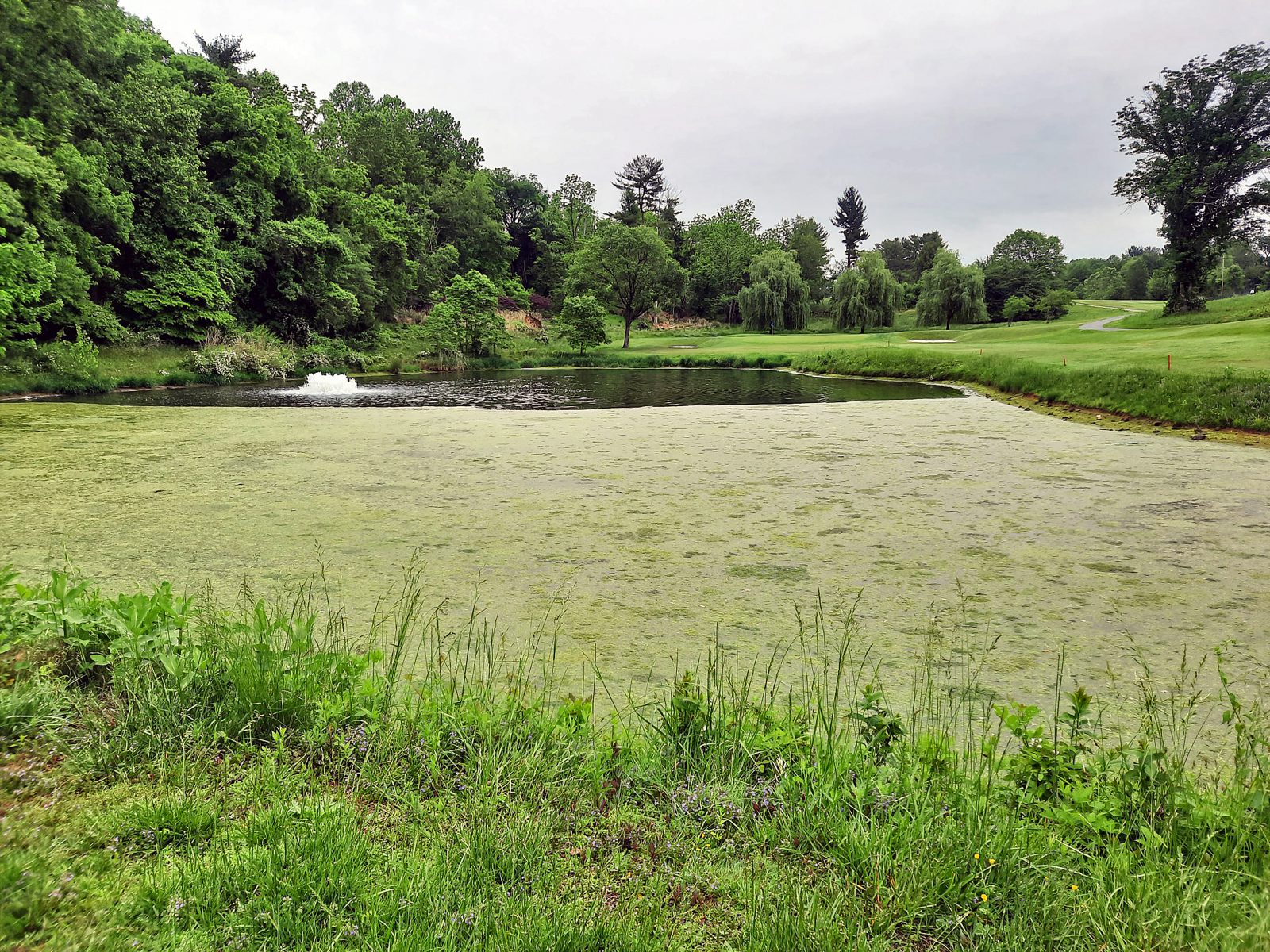
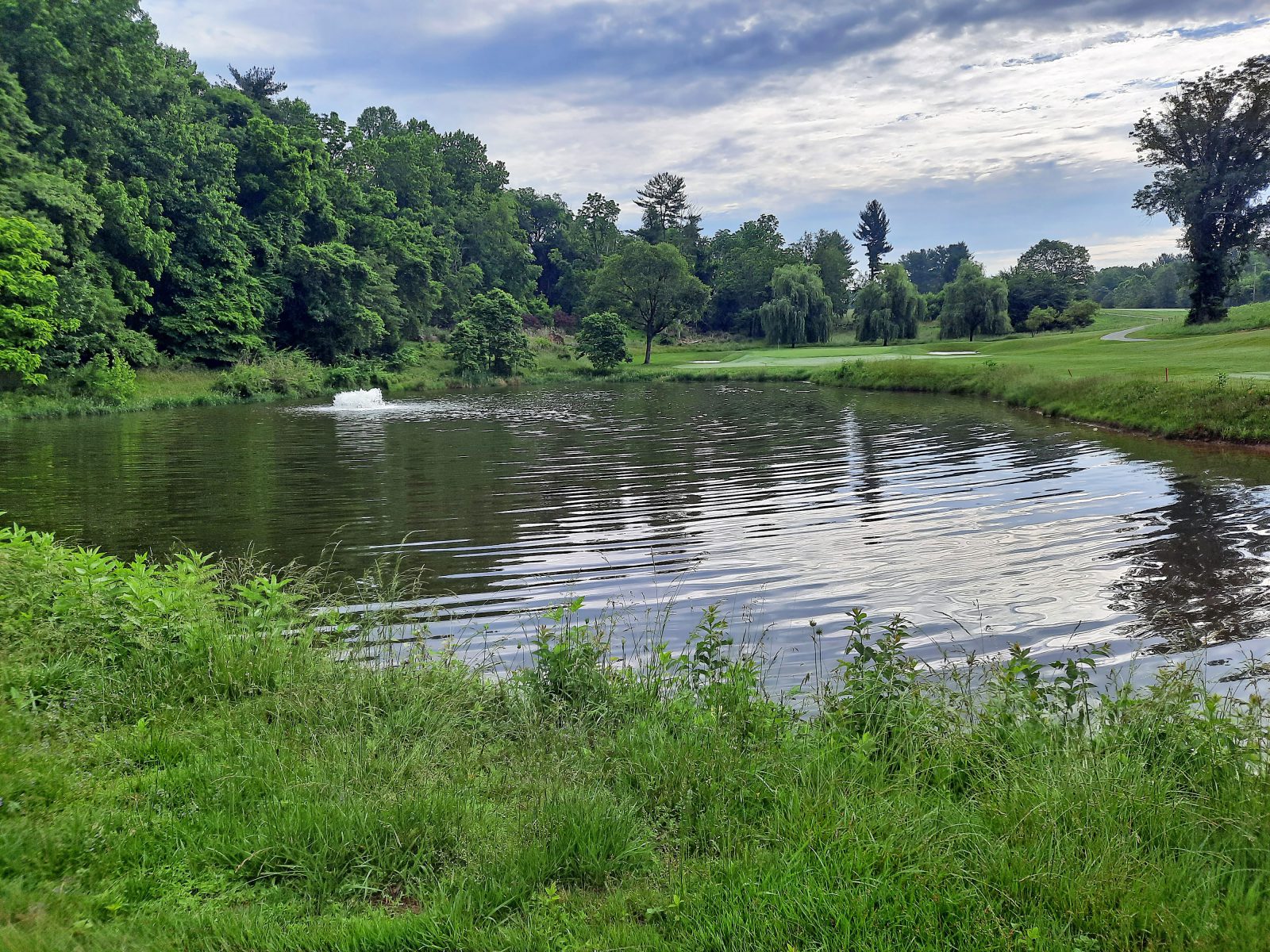
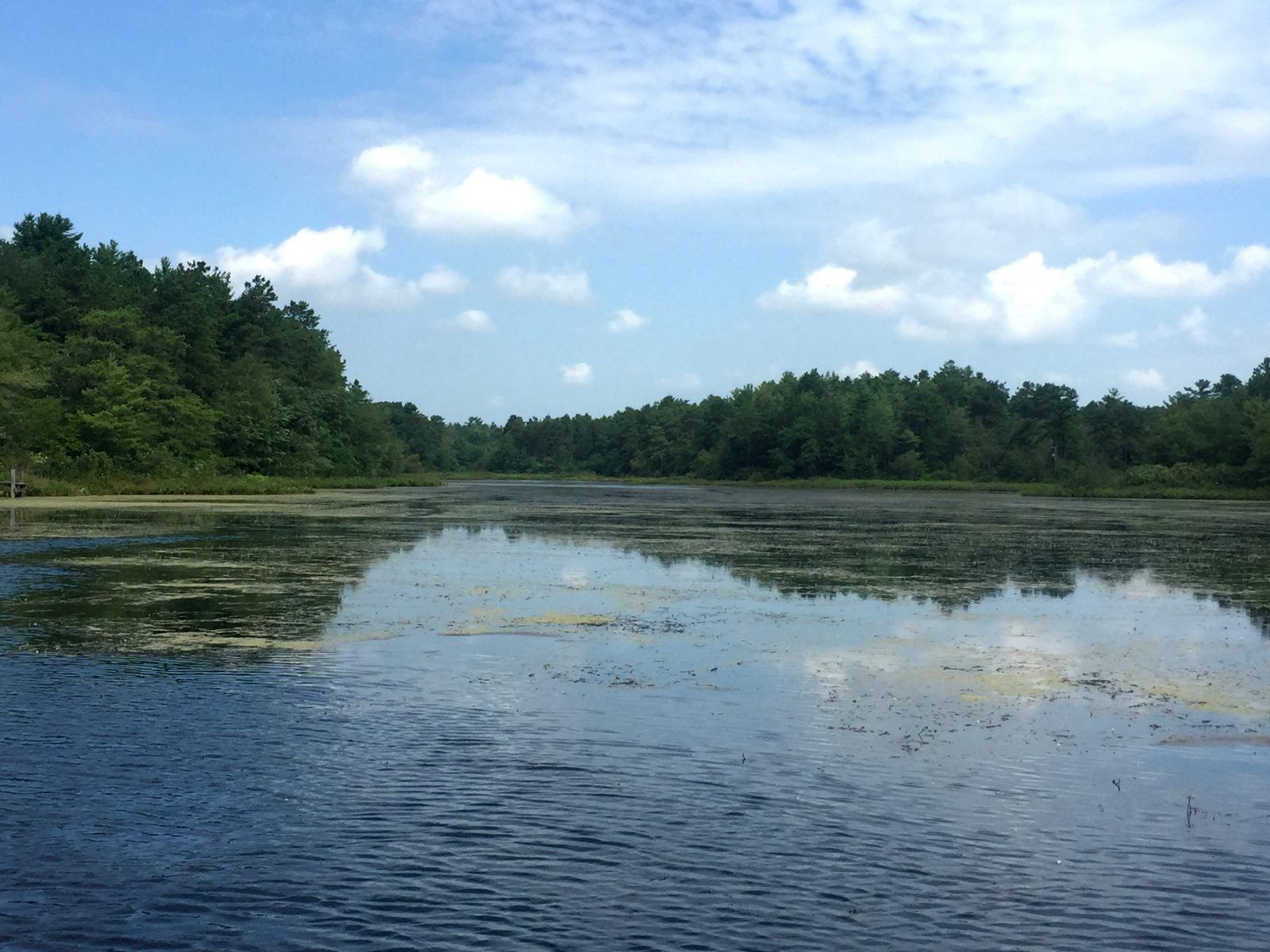
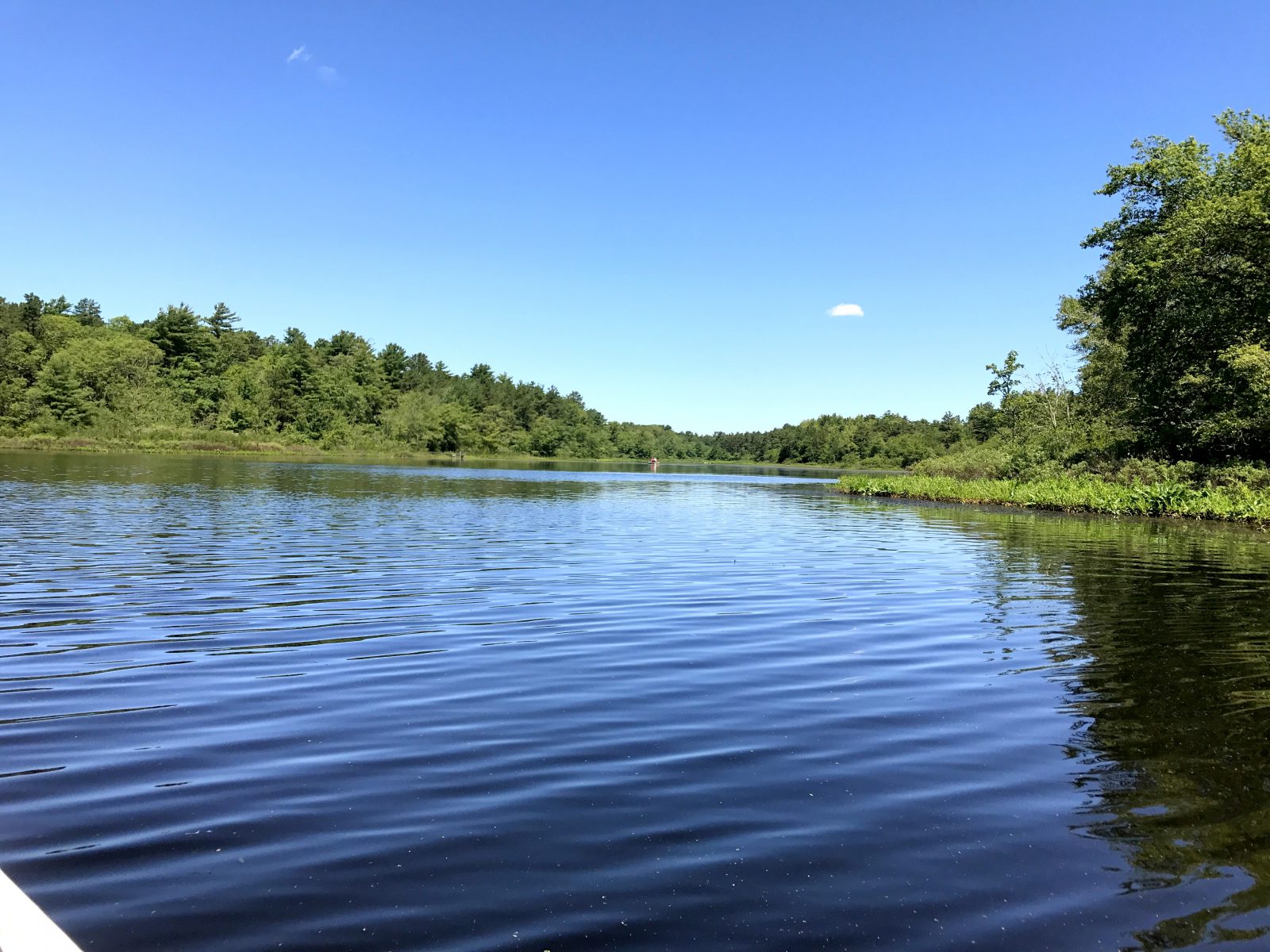
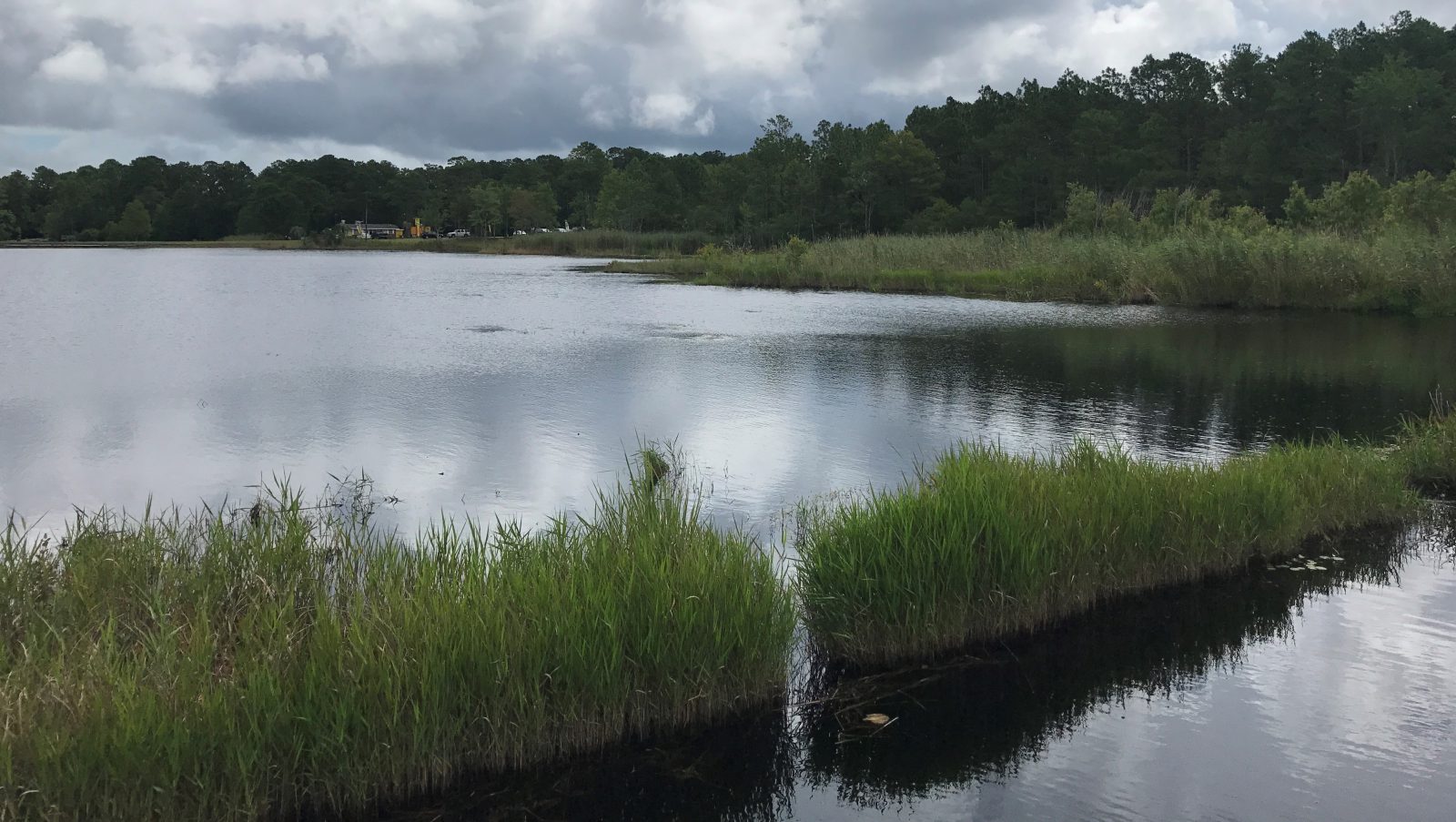
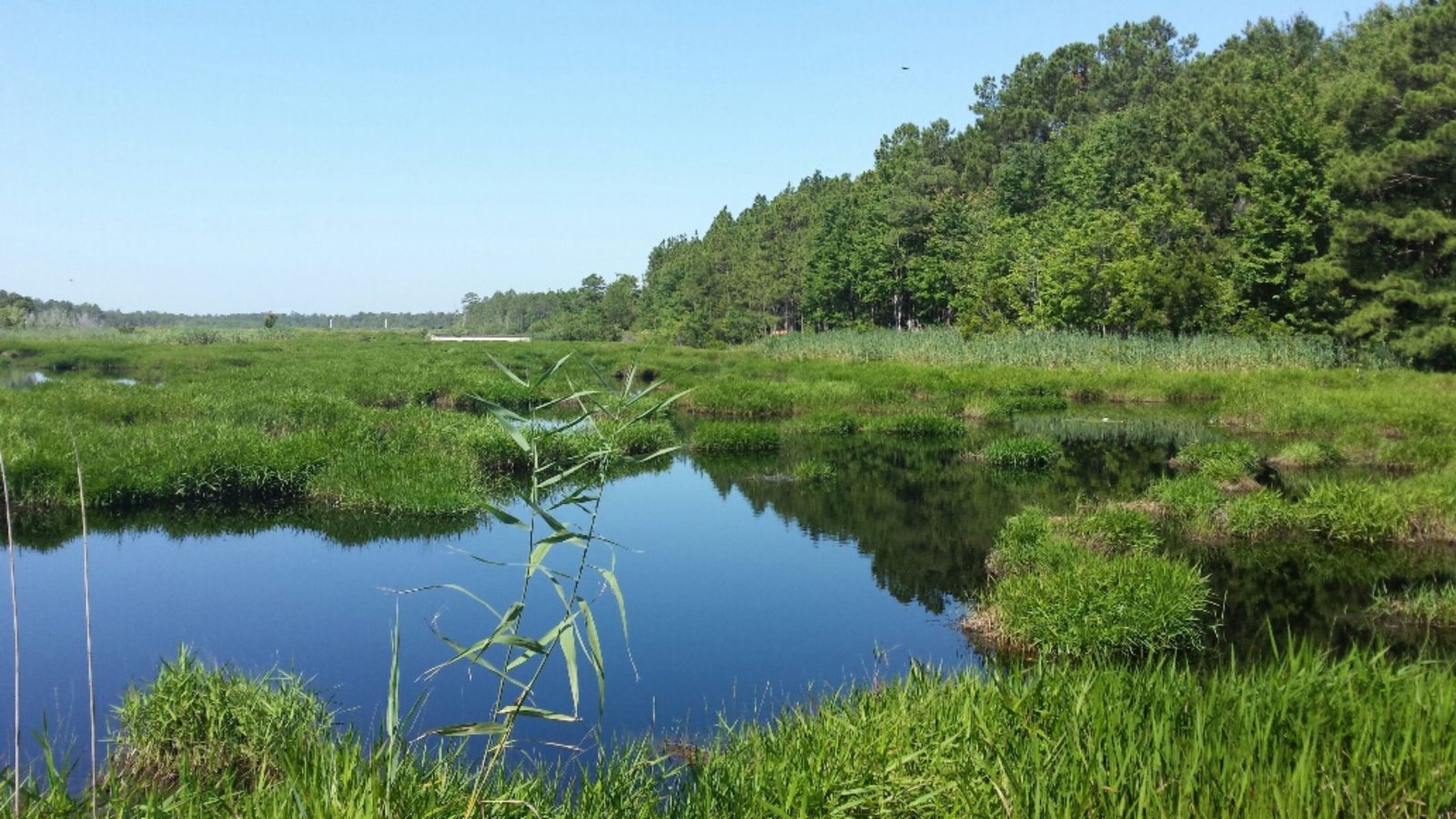
See For Yourself: Proven Results
- Filamentous Pond Algae Treatment
- Invasive Aquatic Weed Management
- Hydro-raking: Maidencane Removal
Sustainable & Effective Aquatic Control Technology Solutions
We very much look forward to the journey ahead and thank all of our clients and others who have been so instrumental in our success. We pledge to be your environmental partner, working with you to improve water quality and preserve your natural resources, reducing our environmental footprint, and leaving our world a better place.
Your Aquatic Management Team at SOLitude Lake Management